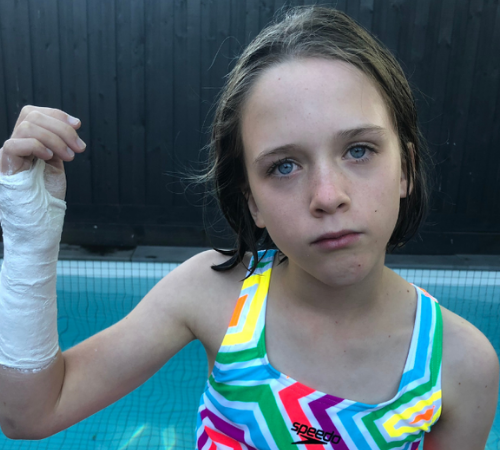
"My child broke their arm"
When children break a bone, it’s often less severe than adult fractures thanks to their softer, more flexible bones. Two common types of fractures in children’s arms are buckle fractures and greenstick fractures. While they may sound similar, they differ in how the bone is affected and treated.
Buckle Fracture
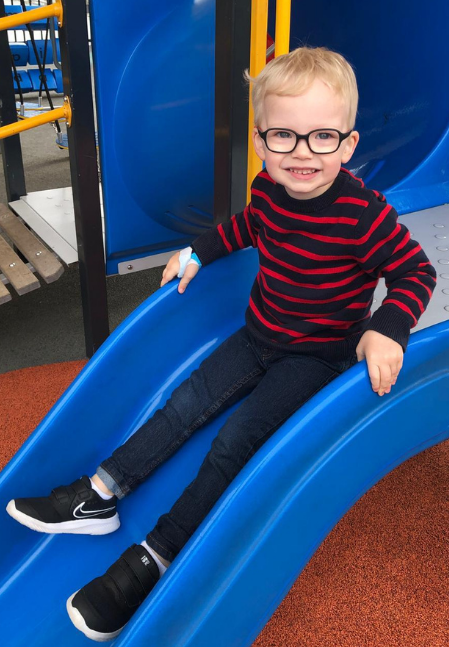
A buckle fracture (also called a torus fracture) occurs when one side of the bone compresses or buckles under pressure without breaking the other side. It’s like bending a plastic straw until it wrinkles on one side.
Sometimes the bone can be compressed and ‘bubble’ out on both sides – think squishing a marshmallow between two biscuits!
Buckle fractures are usually stable and heal quickly, often requiring a splint for a few weeks and some TLC.
Greenstick Fracture
In contrast, a greenstick fracture is more like trying to snap a young tree branch. One side of the bone cracks while the other side bends, without a full break.
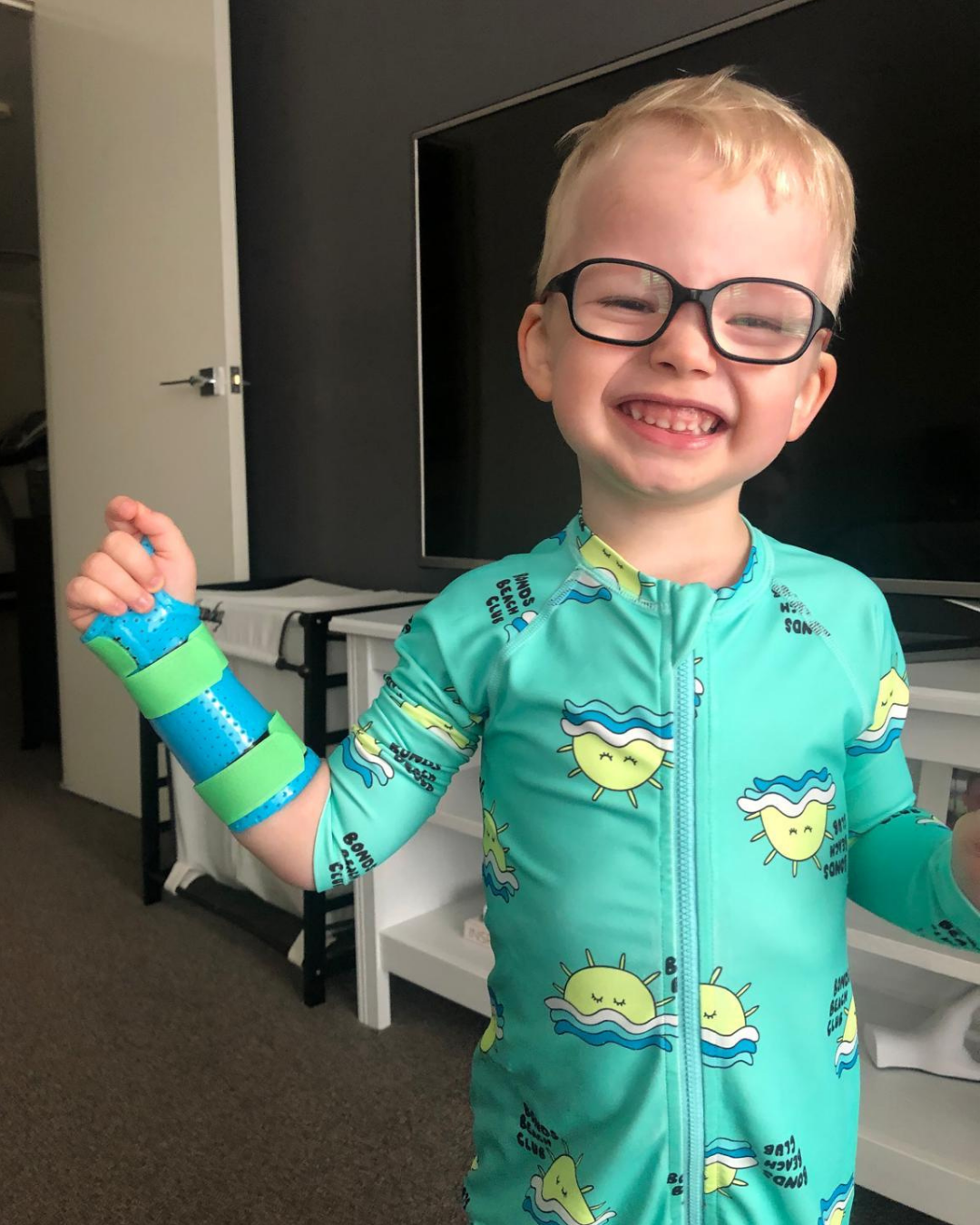
Greenstick fractures are less stable than buckle fractures and often need a custom splint for proper alignment and healing. Unlike a plaster cast, which can’t get wet, a thermoplastic splint is water resistant and can provide a greater level of function in a shorter time (Quadlbauer et al., 2016).
Both types are typically the result of falls or direct impact to the arm—common occurrences in active children.
Symptoms can include:
- Pain
- Swelling, and
- Difficulty using the arm.
Luckily, when treated properly, both are also likely to make a full recovery!
Understanding the difference between these two types of broken bones can help parents respond confidently and support their child’s recovery effectively.
At Action Rehab, we can assist with acute management of all types of children’s fractures – no referral needed.
We provide expert advice, education, and personalised treatment plans to support your child’s recovery, keeping them happy, active, and on track to heal well.