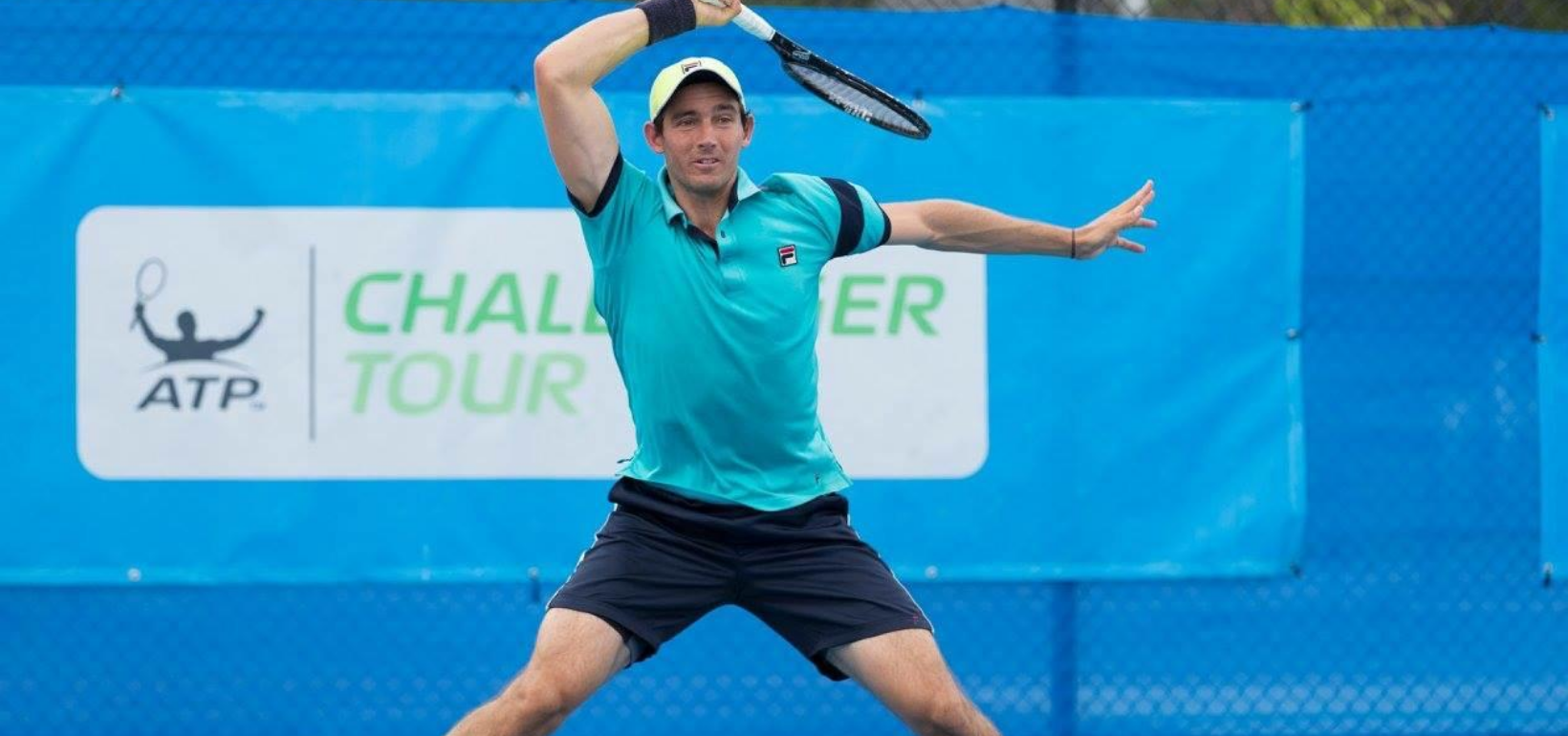
Navigating Tennis‑Related Wrist Pain: TFCC vs ECU Injuries
With the Australian summer of tennis underway, many players are spending more time on court — and at Action Rehab Hand and Upper Limb Clinic in Coorparoo, we start to see a familiar increase in wrist-related injuries.
One of the most common complaints among tennis players is pain on the little-finger side of the wrist, also known as ulnar-sided wrist pain.
Two frequent causes of this pain are TFCC injuries and ECU injuries. While they can feel very similar, they involve different structures in the wrist and require different treatment approaches.
The Triangular Fibrocartilage Complex (TFCC) is a group of ligaments and cartilage that provides stability to the wrist, particularly during gripping, rotation, and weight-bearing activities.
In tennis players, TFCC injuries commonly occur due to:
Repetitive forearm rotation during topspin forehands and serves
High grip demands, especially with double-handed backhands
Sudden or awkward loading through the wrist
Symptoms often include deep wrist pain, discomfort with twisting movements, reduced grip strength, and sometimes clicking or a feeling that the wrist is unstable.
ECU Injuries: Tendon Overload and Irritation
The Extensor Carpi Ulnaris (ECU) is a tendon that runs along the outer side of the wrist and plays a key role in stabilising the wrist during fast, powerful strokes.
ECU injuries are often linked to:
Repetitive wrist extension and side-to-side movement during serving and forehands
Sudden increases in training or match load
Off-centre ball contact or changes in technique
Players with ECU injuries typically report more localised pain and tenderness over the tendon, pain during or after hitting, and occasionally a snapping or flicking sensation at the wrist.
Why an Accurate Diagnosis Matters
Although TFCC and ECU injuries cause pain in a similar area, they do not respond to the same treatment. TFCC injuries often require a greater focus on wrist stabilisation and load management, while ECU injuries benefit from targeted tendon unloading, technique modification, and progressive strengthening.
From a hand therapist’s perspective, assessment involves looking at wrist stability, tendon movement, grip and racquet demands, and tennis-specific movements. This allows treatment to be tailored to both the injury and the demands of the sport, supporting a safe and confident return to play.
When to Seek Help
We recommend seeking assessment from a hand therapist if you notice:
Wrist pain lasting longer than 1–2 weeks
Pain that worsens with serving, forehands, or gripping the racquet
Clicking, catching, or a sense of instability in the wrist
Reduced grip strength or difficulty completing matches
Symptoms that do not settle with rest or modified activity
Early assessment and treatment can prevent a minor wrist issue from becoming a longer-term injury that keeps you off the court.
Supporting Your Tennis Season
Wrist pain is common during the summer tennis season, but it shouldn’t be ignored. Understanding whether your pain is related to a TFCC or ECU injury allows for targeted treatment, faster recovery, and a safer return to tennis.
If you’re experiencing ongoing wrist pain, the team at Action Rehab Hand and Upper Limb Clinic in Coorparoo can help assess your injury and guide your recovery — so you can get back to enjoying your tennis with confidence.
Steven De Waard
Steve is a physiotherapist with a professional tennis background, specialising in sports rehab, upper limb injuries, and post-surgical recovery at Action Rehab Northside.
At Action Rehab Hand Therapy Clinic, our Physiotherapists and Occupational Therapists are experienced in treating your upper limbs, including your thumbs, fingers, hands, wrist, elbows, and shoulders. Come and see our highly qualified and friendly staff today at a location convenient to you.